Hakone Day Trip From Tokyo: The Complete Guide
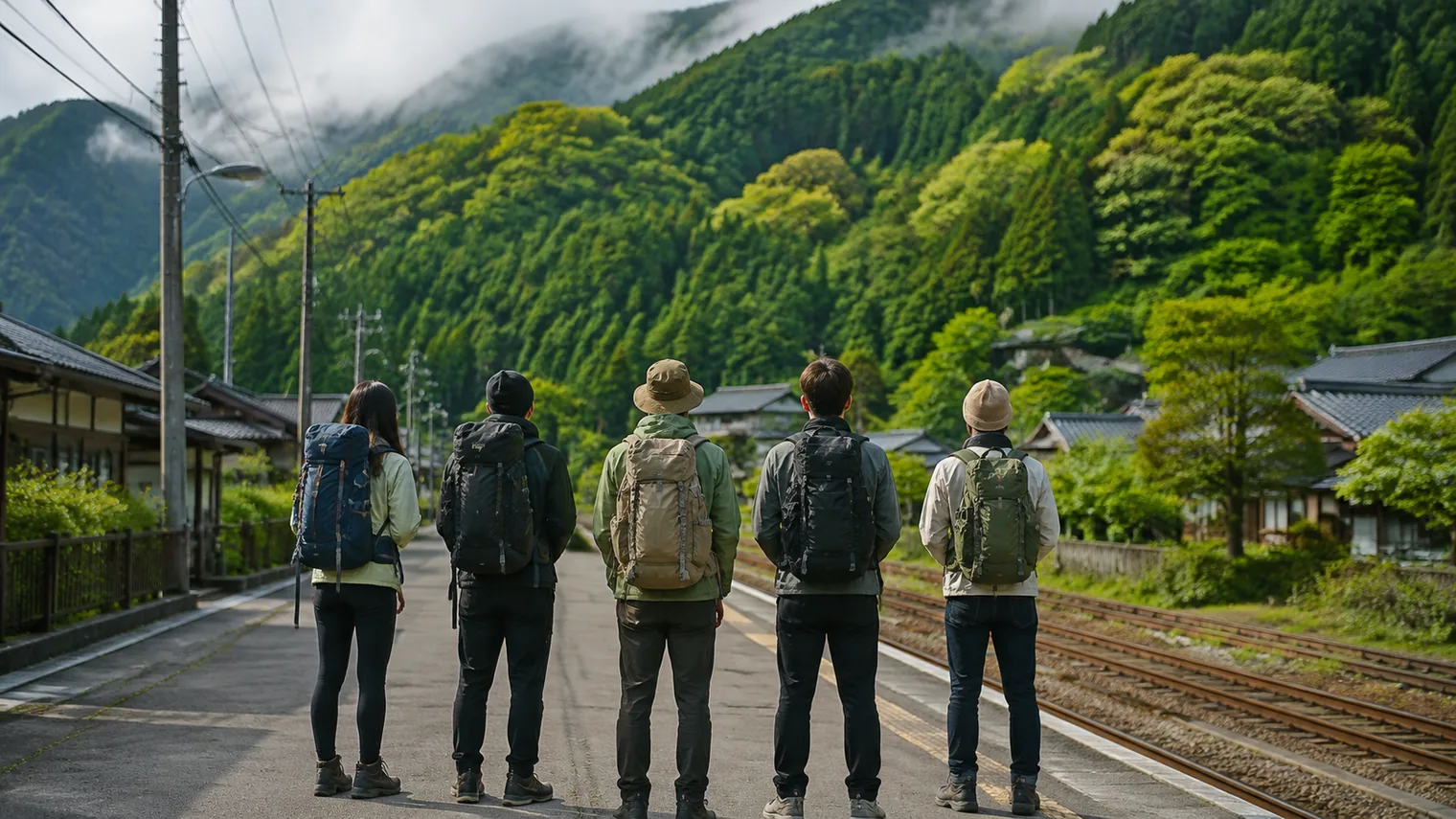
The short version. There is no Shinkansen station in Hakone — the bullet train stops at Odawara and you change there. The direct, seated service from Tokyo is the Odakyu Romancecar from Shinjuku to Hakone-Yumoto, and it is both cheaper and less faff than the Shinkansen route. Everything else about a Hakone day trip follows from two clocks: when you leave Tokyo, and when the last ropeway runs.
Hakone is a mountain and lake district in Kanagawa with no Shinkansen station of its own, reached from Tokyo in about 75 to 90 minutes by the Odakyu Romancecar from Shinjuku to Hakone-Yumoto for ¥2,470, and toured as a single loop of switchback railway, cable car, ropeway and lake cruise that has to finish before the ropeway’s last run at 16:45.
I live two minutes from Hakone-Yumoto Station and have spent nine years watching people arrive having paid for the wrong ticket. Everything else here follows from the two corrections below.
The train that does not go here
Search for a bullet train to Hakone and you will find prices, journey times and a great deal of confident writing. None of it describes a real service. The Shinkansen stops at Odawara — Kodama and some Hikari trains, never Nozomi — and Odawara is not Hakone. From there you change onto the Hakone Tozan Line for ¥360 and about 14 minutes to reach Hakone-Yumoto. Counting the run out from Tokyo at roughly 27 to 40 minutes depending on the service, and ¥3,280 unreserved or ¥3,610 with a seat, you land at about ¥3,640 and one change.
The Odakyu Romancecar leaves Shinjuku and stops at Hakone-Yumoto. No change, a reserved seat, a ¥1,270 base fare plus a ¥1,200 limited-express surcharge, so ¥2,470. It is cheaper and more direct than the Shinkansen route and only marginally slower. If money is tighter than time, ordinary Odakyu trains run the same corridor for ¥1,270 in about two hours, usually changing at Odawara. On frequency I will only say roughly one to two Romancecars an hour, more at peak, because I cannot verify a timetable.
What the loop physically is
People say “the Hakone Loop” as though it were a walking route. It is a chain of five different vehicles. From Hakone-Yumoto you take the Tozan switchback train up to Gora, ¥460 and about 35 minutes of the train reversing its way up the hillside, with hydrangeas along the track in early summer. At Gora a cable car climbs to Sounzan. From Sounzan the ropeway crosses over Owakudani, a live geothermal valley of sulphur vents where the local speciality is eggs boiled black in the springs, and drops you at Togendai on Lake Ashi: ¥2,000 one way for an adult, ¥3,000 return. The sightseeing cruise then takes you down the lake to Motohakone or Hakonemachi for ¥1,700, past the point where Hakone Shrine’s vermilion torii stands in the water. A bus closes the circuit back to Hakone-Yumoto.
That is the whole thing: transport as the attraction, which is either the appeal or the objection.
Why the early start decides the day
Hakone shuts earlier than its daylight. Most attractions and transport wind down between about 16:30 and 17:00, and the ropeway’s own last runs are 16:45 from February to November and 16:15 in December and January. Miss those and the loop breaks in the middle, at altitude, with the lake on the far side. Every coach tour sold from Tokyo leaves between 7:30 and 8:00 and runs 8 to 11 hours. That is not drama; it is the only shape the day has.
Does the Freepass pay for itself in a day?
First, the thing almost nobody writes down: there is no one-day Hakone Freepass. The shortest version sold from Shinjuku is two days, ¥7,100 adult and ¥1,600 child, with a three-day at ¥7,500. Prices rose on 1 October 2025, along with the ropeway and the cruise, so pages dated 2026 that quote ¥6,100 are simply stale. The Romancecar surcharge is not in the pass either: ¥1,200 adult, ¥600 child, each way.
So the honest question is whether one day of riding clears ¥7,100. Counting only the legs I could verify: ordinary Odakyu out ¥1,270, Tozan train to Gora ¥460, ropeway one way ¥2,000, cruise ¥1,700, ordinary Odakyu back ¥1,270. That is about ¥6,700 against a ¥7,100 pass. But I could not price the Gora to Sounzan cable car or the bus back around the lake, and both are real legs, so the true ticket total is higher than ¥6,700 by an amount I cannot give you. My conclusion, duller than the ones you will read elsewhere: for a single full day riding the whole loop the pass is roughly break-even and probably slightly ahead, and for a half day or a partial loop it is not. It would rank better if I invented the missing numbers. I am not going to.
The risk nobody prices in
The ropeway suspends in high wind. The cruise changes route or does not sail in heavy fog or strong wind. One traveller who reviewed the pass arrived to find both out of action and nearly cancelled the trip; the next day was calm and the day worked. The ropeway also takes scheduled maintenance closures in winter, with substitute buses, and Hakone sits at Japan Meteorological Agency volcanic alert Level 1, which means normal caution and no entry restriction, though Owakudani has had temporary restrictions before. Check status rather than assume it. A day trip that depends on one clear day is a real risk, and any page that treats it as a footnote is selling you something.
How I would actually do it
Take the Romancecar out of Shinjuku early. If you intend to ride the full loop, buy the two-day pass and accept that you are paying for validity you will not use; the convenience of not queueing at five ticket machines covers the difference. If you only want the crossing over Owakudani, buy the ropeway ticket and nothing else. If the forecast is wind, move the day. And if managing five connections against a clock does not appeal, a coach tour hands the problem to a guide, at the cost of someone else’s schedule and time lost to Tokyo traffic, which the reviews mention more than anything else.
Ready to book?
If you would rather not work the trains out yourself, the coach tours below run the same loop with the tickets already bought. If you would, start with the route comparison and the pass arithmetic.
Frequently asked questions
Do I need the bullet train to get to Hakone?
No, and it does not go there. The Shinkansen stops at Odawara, which is a change of train away from Hakone-Yumoto. The Odakyu Romancecar runs direct from Shinjuku for ¥2,470 in about 75 to 90 minutes, against roughly ¥3,640 and a transfer via Odawara. The two routes compared.
Is one day genuinely enough for Hakone?
For the loop, yes, if you are on a train out of Shinjuku early. The ropeway's last run is 16:45 from February to November and 16:15 in December and January, and the rest of the loop closes around it. What one day actually fits.
Should I buy the Hakone Freepass for a single day?
There is no one-day version — two days is the minimum, at ¥7,100 from Shinjuku. For a full day riding the whole loop it is roughly break-even against individual tickets; for half a day it is not. The arithmetic, including the two legs we could not price.