The Hakone Ropeway: fares, seasonal hours and the days it does not run
What it costs
Sounzan to Togendai is ¥2,000 one way and ¥3,000 return for an adult, ¥700 and ¥1,000 for a child. Those fares came in on 1 October 2025, when the one-way rose from ¥1,500 and the return from ¥2,500. The Lake Ashi cruise and the Hakone Freepass went up on the same day, which is why so much of what you will read online about Hakone pricing is now wrong by a few hundred yen in several places at once.
The Freepass covers the ropeway outright, so if you are riding the whole circuit you will not buy a ropeway ticket at all. Whether that pass makes sense for a single day is a longer argument than it looks, and I have set it out in full on the Freepass page.
The four stations
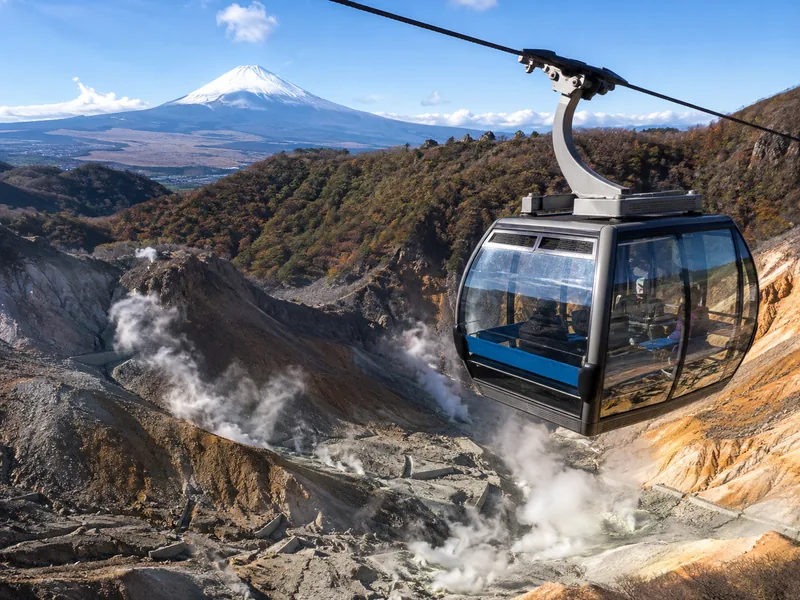
The line has four stations. Three of them matter to anyone doing this as a day trip. Sounzan is the Gora end, where you arrive from the cable car. Owakudani is the transfer in the middle, and the reason most people ride at all: a live geothermal valley with sulphur vents steaming out of the hillside, where the local speciality is eggs boiled black in the hot springs. Togendai is the Lake Ashi end, where you step off and onto the sightseeing cruise. Owakudani is worth getting off at rather than riding through, and 30 minutes is enough.
Operating hours by season
The ropeway company publishes two seasons. February to November, 9:00 to 16:45, with Owakudani station open until 17:00. December and January, 9:00 to 16:15. Work backwards from that and the shape of your day becomes obvious. Most Hakone attractions and transport wind down between about 16:30 and 17:00, so an early train out of Shinjuku is not keenness, it is the trip. Leave Tokyo late morning and you will be looking at the lake from the wrong side of a closed gondola.
Wind, fog and maintenance
The ropeway suspends in high wind, and the Lake Ashi cruise changes route or stops in heavy fog or strong wind. Both have happened to people who reviewed the products on this site. Mark, reviewing the Freepass, wrote: "The day we arrived was raining and windy and the cruise and ropeway were out of action and I almost cancelled." He was lucky enough to have a second day.
There are also scheduled maintenance closures in winter, when substitute buses run the route instead. I am not going to give you dates for those, because I could not verify them and a wrong date is worse than no date. Check the live status at Hakone Navi the morning you travel, or with the ropeway company directly. Hakone and Owakudani sit at Japan Meteorological Agency volcanic alert Level 1, which means normal caution, with no eruption warning and no entry restriction as of August 2026. Owakudani has been restricted temporarily in the past, so check rather than assume.
Buying in advance: the e-ticket, honestly
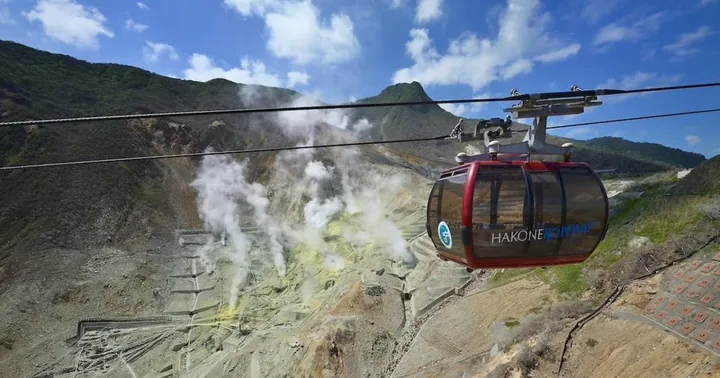
The e-ticket sold here is ¥2,000, which is exactly the ropeway’s own one-way adult fare. There is no markup and there is no discount either. It is valid 90 days, the round-trip option can be spread across two consecutive days, and it needs no exchange at a counter. What it buys you is skipping the ticket machine, and not much else.
It has 13 reviews. That is a thin base to judge anything on and I would rather say so than dress up a 4.6 average. Marcus gave four stars: "The rope line up towards the mountain was excellent. Very smooth ride. Lots of sites. Getting to the rope line was a bit of a hassle." ARTURO, also four stars, wanted more warning about conditions at the top: "Just lack a bit more details like how windy and call it can be at the top." One three-star traveller found the ticketing difficult to navigate, with no QR code provided and several apps to download. If that would irritate you, buy at the counter or ride on the pass.
The closing time is the thing to plan around, not the fare. Whichever direction you ride, work out when you need to be standing at Sounzan or Togendai to make the last gondola at 16:45, then set your departure from Tokyo from that. Almost every ruined Hakone day I hear about started with a late train out of Shinjuku.
Check dates and fares
The e-ticket below is the ropeway’s own fare, one way or return. If you are also riding the trains, the cable car and the cruise, price the Freepass against it first — and see every Hakone product compared if you would rather someone else handled the day.
 Cheapest way in
Hakone: Hakone Ropeway One-Way / Round-Trip E-Ticket
 Do it yourself
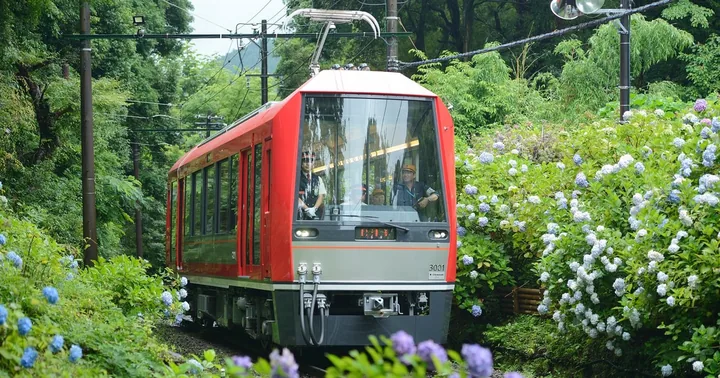
Hakone: Train Pass with Unlimited Rides & Activity Discounts
 Most bookedRopeway one-way included
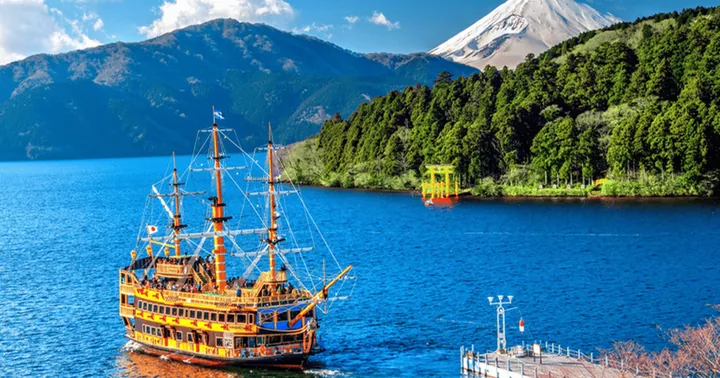
Tokyo: Mt. Fuji Tour, Hakone Ropeway, Owakudani, Lake Ashi
Frequently asked questions
How much does it cost to ride the Hakone Ropeway?
¥2,000 one way for an adult between Sounzan and Togendai, and ¥3,000 return. Children pay ¥700 and ¥1,000. Those fares came in on 1 October 2025, replacing ¥1,500 and ¥2,500, so older pages understate them.
What time does the Hakone Ropeway close?
Last runs are 16:45 from February to November, with Owakudani station open until 17:00, and 16:15 in December and January. It opens at 9:00 year round. See when to go for how the seasons differ.
Does the Hakone Freepass cover the ropeway?
Yes, in full, along with the Tozan train, the cable car, the Lake Ashi cruise and the buses. The pass is ¥7,100 for two days from Shinjuku and there is no one-day version, which is why the sums are worth checking on the cost page.
Does the Hakone Ropeway stop running in bad weather?
Yes. It suspends in high wind, and the Lake Ashi cruise changes route or stops in heavy fog or strong wind. There are also scheduled maintenance closures in winter with substitute buses. Check the live status at hakonenavi.jp on the morning you travel.
Is the Hakone Ropeway e-ticket worth buying in advance?
It costs exactly the ropeway’s own ¥2,000 one-way fare, so you save nothing and lose nothing. It is valid 90 days and needs no counter exchange. It has only 13 reviews, and one traveller found the ticketing awkward, so buying at the station is a fair alternative.